“Just tell me what I should weigh.”
One of the most common questions we get here at WAG is “what is my goal weight?” My answer is almost always, “it depends!”
The reality is your ideal weight isn’t a number on a chart, a BMI category, or something you calculate using a formula you found online. For most, if you’re chasing a single “perfect” number, you’re likely missing the point and chasing the wrong thing entirely.
So, what is your ideal weight?
The Problem With “Ideal Weight” Charts
For decades, we’ve been told that our health and for some of us, our worth can be summarized by a number on the scale. BMI charts. Height-to-weight ratios and online calculators that promise to spit out your “goal weight” in seconds.
But these tools miss more than they measure. They don’t account for body composition. For example, a 5’5”, 150-pound woman with 55% body fat would be categorized the same as someone with the same height and weight but 20% body fat, despite having vastly different health profiles. Two people can weigh the exact same amount and have completely different health markers, body compositions, and lifestyles
One number does not fit all. When determining your ideal body weight you have to consider current lifestyle, habits, weight history, and most importantly how you feel day to day.
Your Ideal Weight Is… Individual
Your ideal weight isn’t something you find on a chart, it’s something you build and determine over time. When searching for an ideal body weight we are looking for some key components to be in place.
First your lab work and medical profile need to be in a healthy range. Any medical conditions should be managed or at least improving. At your idea weight you should have a healthy relationship with food, feel fueld and supported in training and most importantly, it should be a weight you can maintain without extreme lifestyle changes.
This last one matters way more than most of us think. For example if you feel great, and healthy at 150 pounds but it is constant work to maintain that weight, it’s not your ideal weight! You likely need to aim for 160 pounds or above.
If You Can’t Maintain It, It’s Not Ideal
Let’s be honest, most of us have this gold star, ideal weight in our minds. Some number that has entered our brain at some point and ever since then, we’ve been trying to get there. Or, maybe you’ve been there in the past and want to get back to that “ideal”.
If you’ve reached your goal before and found you were not able to stay there, it’s important to look back at what it took for you to achieve that weight. Were you taking extreme measures, saying no to social events or white-knucking hunger?
What happened after you hit that goal? If the weight went up it’s not necessarily because you failed, its likely that your approach just wasn’t sustainable.
Again, a weight you can only maintain through restriction, obsession, or burnout isn’t your ideal weight.
Ideal Weight vs. Ideal Body Composition
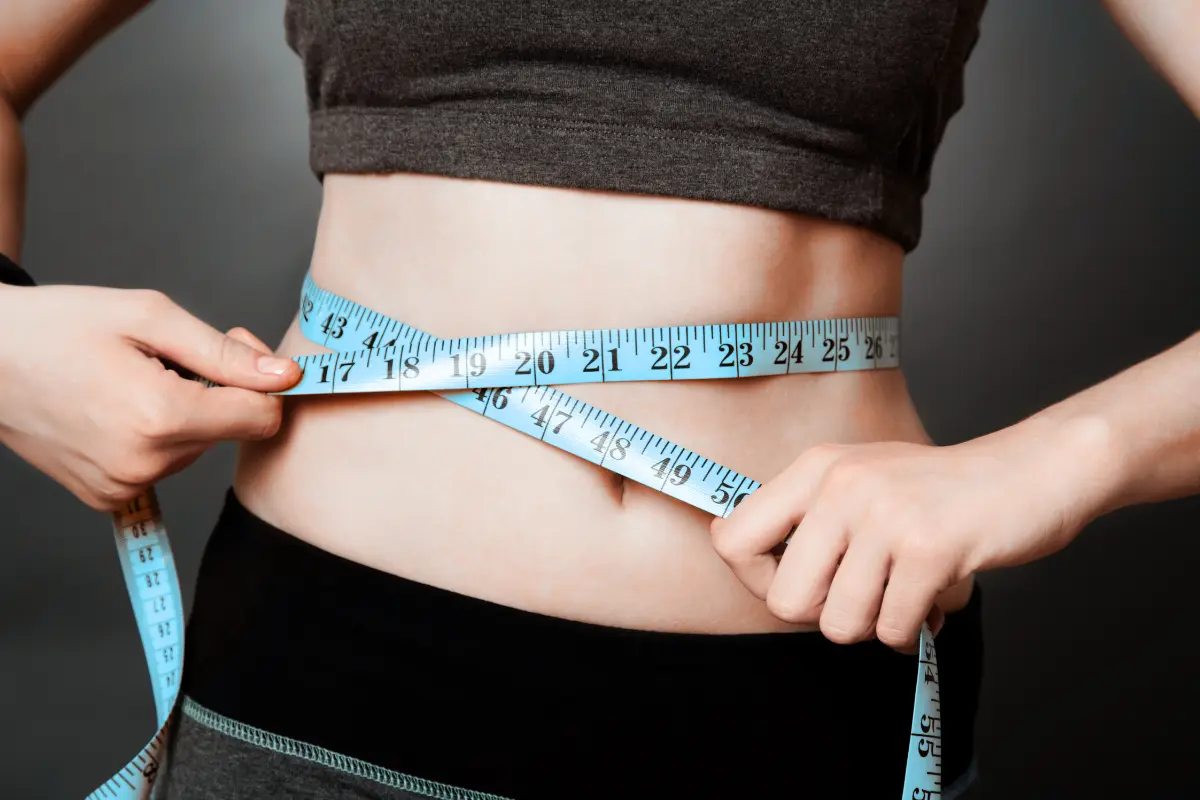
Here’s where things get a little more complicated. A body weight only tells us your total body weight, it doesn’t provide any indication of what your weight is made of. When looking for your ideal weight, try to focus on progress photos, body measurements, how your clothes fit and your performance in the gym. These give you a much clearer picture of how your body is changing compared to body weight alone.
For most active people their ideal weight is ends up being higher than they anticipated due to increased muscle mass, improved metabolism and creating a more sustainable lifestyle.
A Question to Ask Yourself
Instead of asking: “What should I weigh?”
Try asking: “What does a healthy, sustainable lifestyle look like for me, and where does my body naturally settle when I live that way?”
That shift changes everything because now you’re not chasing a number, you’re chasing a lifestyle!
How to Find Your Ideal Weight
If you’re looking for something practical, here’s where to start:
1. Build consistent nutrition habits
Focus on hitting your macros, eating enough protein, and creating structure—not perfection.
2. Train with intention
Strength training, regular movement, and performance-based goals go a long way.
3. Pay attention to biofeedback
Energy, sleep, hunger, recovery, mood, these matter way more than we give them credit for.
4. Give it time
Your “ideal” isn’t something you land on in 6 weeks. It’s something that emerges over months of consistency.
5. Zoom out
Look at trends over time, not day-to-day scale fluctuations. Keep in mind there are loads of factors that play into what we see on the scale. Body weights will fluctuate day to day… that’s how we’re designed!
The Take Home
Your ideal weight isn’t a single number you discover. It’s a range your body settles into when:
You’re fueling it well
You’re moving well consistently
Your health markers are in a good place
And your lifestyle is actually sustainable
Your focus should not focus on being as light as possible. Put your focus on being as healthy, strong, and consistent as possible. For most of us, that ends up looking a lot different (and a lot better) than what any chart could predict.

Schedule a Free Intro Call
Working Against Gravity has led the macro tracking and health space for over a decade. Our team doesn’t just understand the science of nutrition—we’ve spent years mastering the art of tailoring it to fit your life. That means no cookie-cutter plans, just real strategies that have worked for over 30,000 people.
Schedule a free call with our team to learn how working with a 1-on-1 WAG coach will help you reach your goals.
You Might Also Like